
The vineyard is 2 hectares located of a slightly elevated area in Izumisato, Chitose. Due to low winter temperatures and strong early spring winds, growing grapes has been challenging, but I am optimistic and always looking for ways to improve quality and practices.


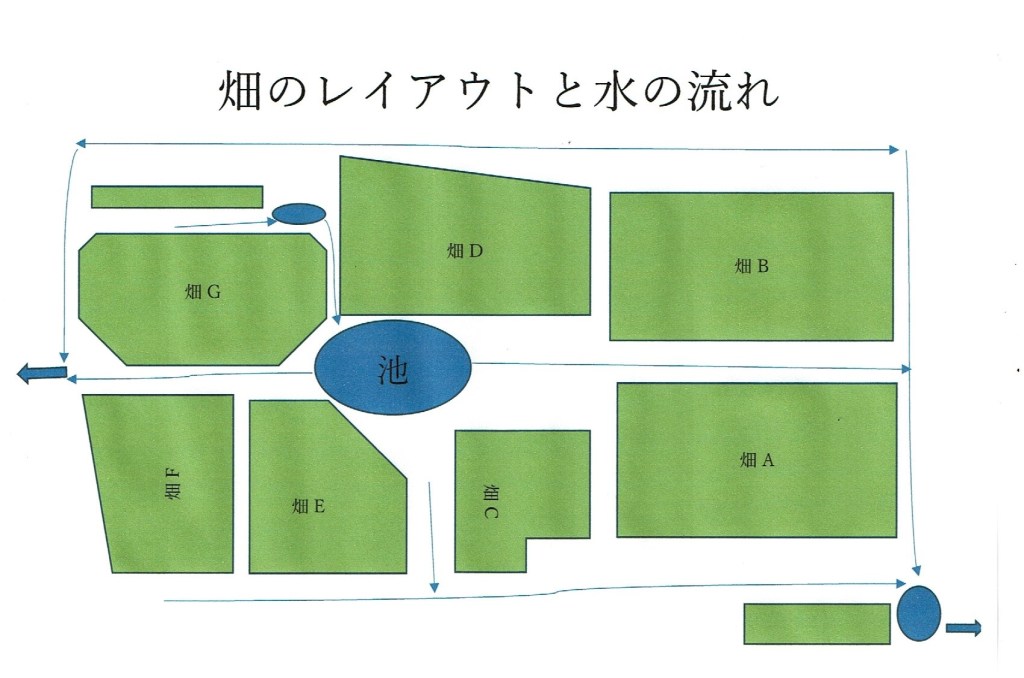

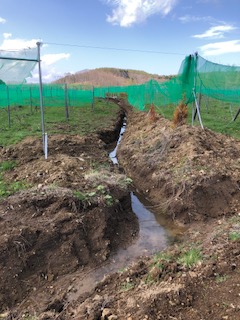
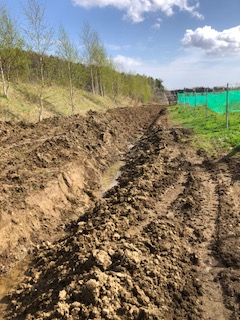
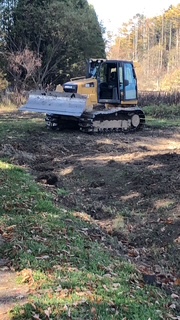
I started preparing the ground in 2016. I dug a pond and numerous streams around the planted areas to improve water drainage, soil quality and biodiversity.
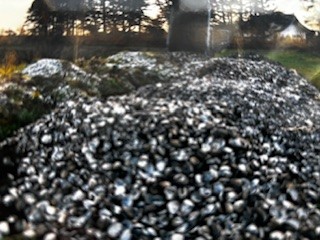
Over three years, I hauled 90 loads of seashells in a 4-ton dump truck from Mukawa to Chitose, and integrated the shells into the soil with a plow and tiller. I continue to acquire truckloads of sea urchin shells from a factory in Chitose and add them periodically to soil around the vines. My hope is that the shells will improve soil quality resulting in complexity and minerality in the wines. The name “La Concha” is Spanish for “the shell.”


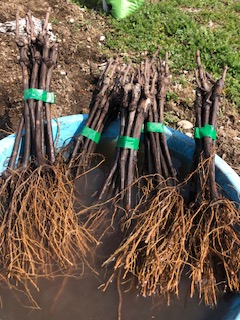
We planted our first vines on May 7th, 2017. Unfortunately, most of the original clones and root stock have not been able to stand up to the harsh winters and have since been replaced. Sauvignon blanc, in particular, does not do well. The vineyard currently has numerous clones, root stocks and varieties, and I am still in the process of experimenting to learn what is possible and how different varieties respond to weather patterns and vineyard practices. For that reason, this wine will continue to evolve and be different every year.
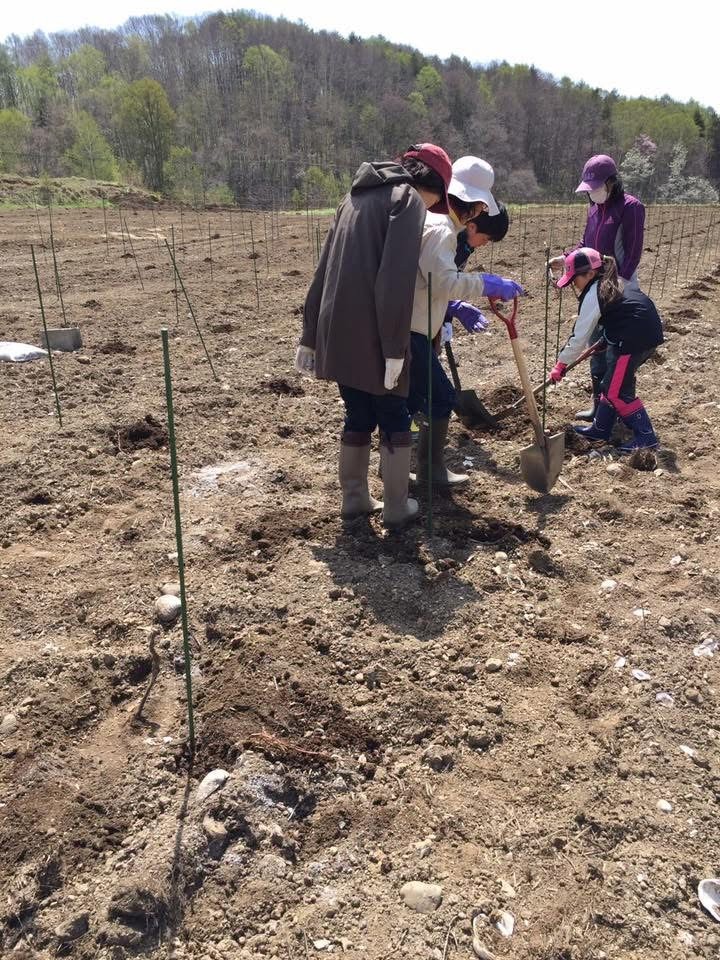
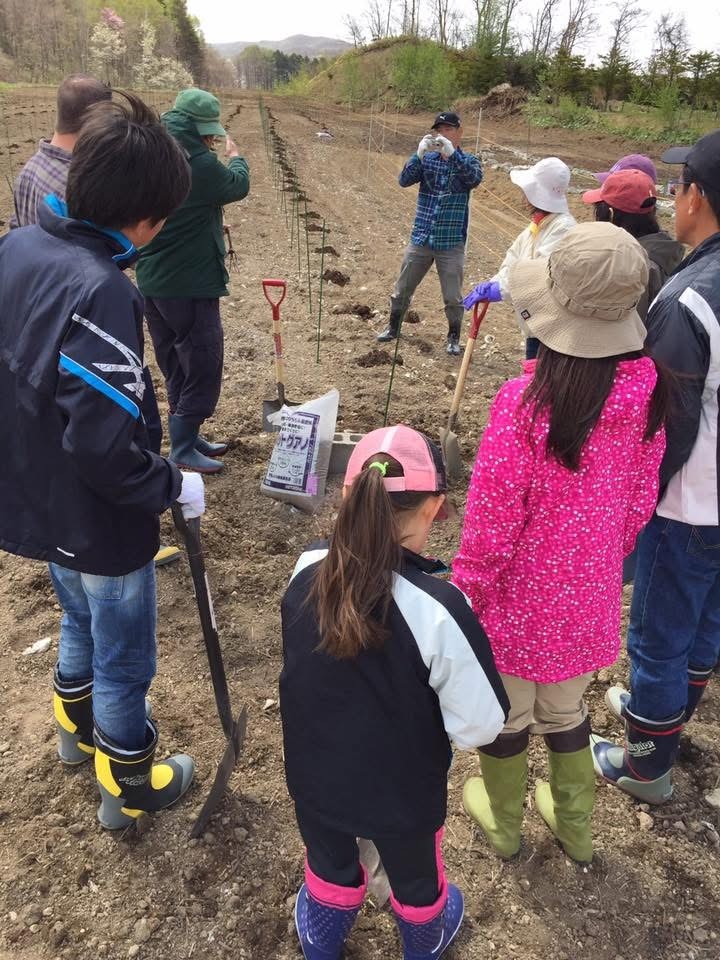
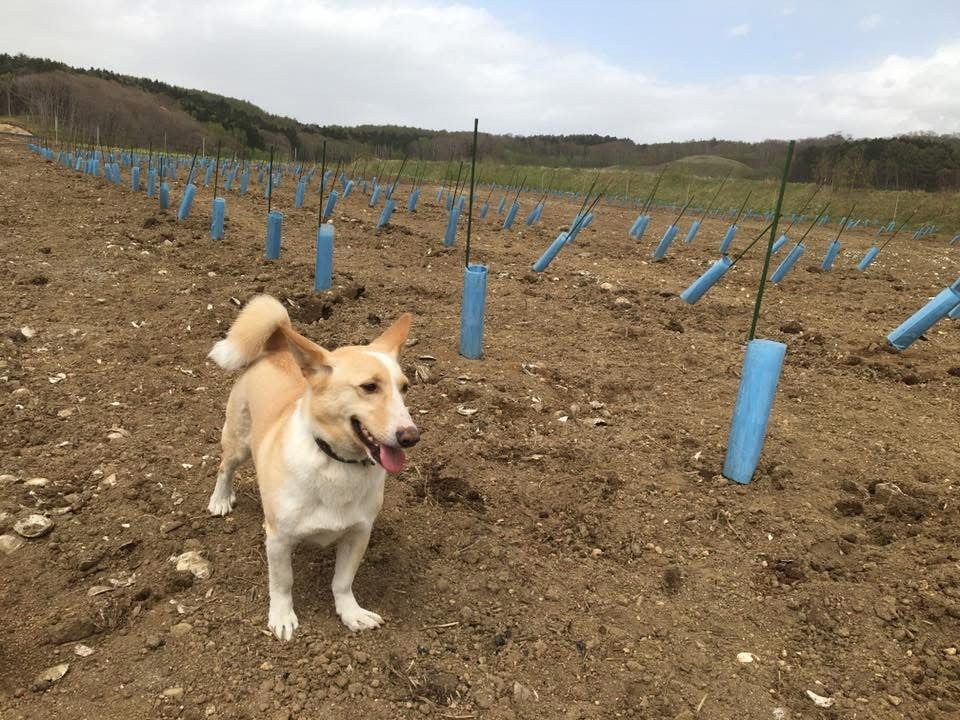
The rows are 2 meters apart, and vines are 1.8 meters apart. The vines are planted at a 45 degree angle to allow us to gently lay them down after harvest without breaking the trunk. This, by the way, is common practice in Hokkaido.
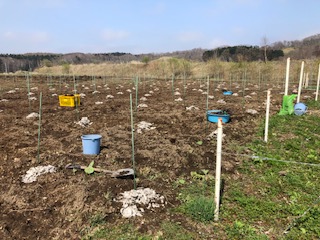
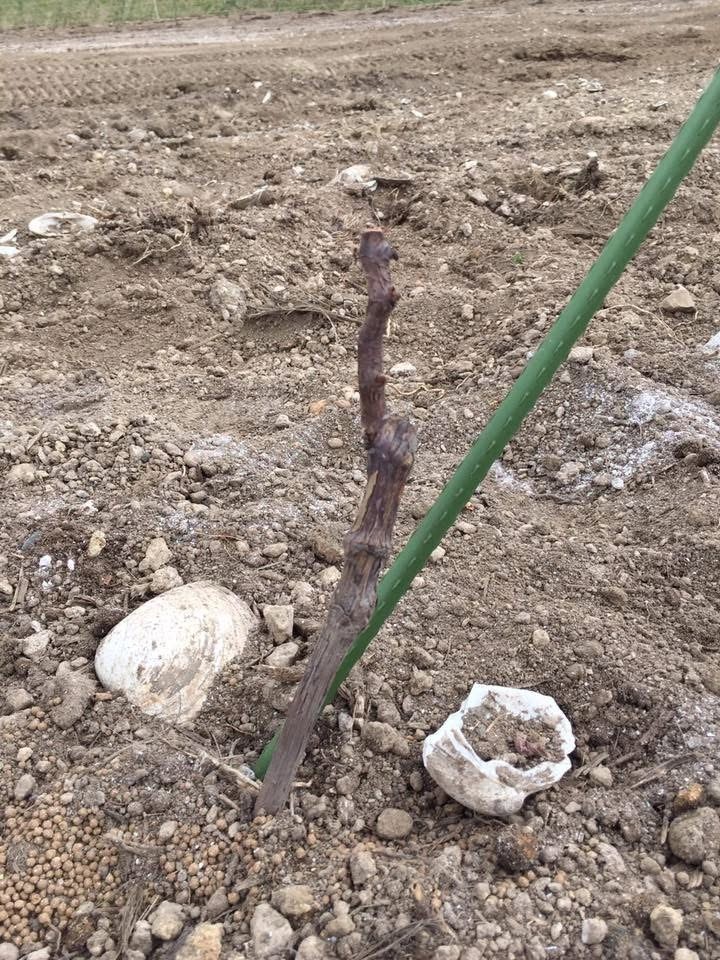
There are currently about 2700 vines. The varieties for La Concha are gewurtztraminer, pinot gris, pinot noir, reisling, chardonnay, tannat, auxerrois, zweigeltrebe, and siegerrebe.
We also grow kiyomi, niagara, delaware, yamasachi, kiyomai and yamabudou for another yamabudou concept wine.
We are experimenting with 5C, 5BB, 101-14 and Schwarz root stock. 5BB is aggressive in the summer leading to vines that do not reserve sufficient carbohydrates for winter dormancy. Schwarz has proven to be the best root stock for all grape varieties, providing a balance of vigor and restraint.
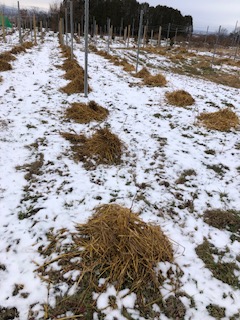
Another thing that makes our vineyard unique is our use of hay. Characteristic of Hokkaido, vines are planted at a 45 degree angle so they can be laid down after harvest. We cover the vines with hay to protect them from low winter temperatures and early spring winds. This is a big job, but neccessary to protect the precious buds that produce the clusters. Of course, the bails are fun to play on, too.


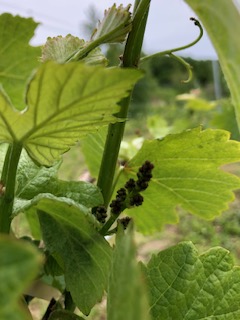
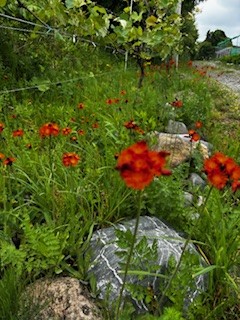
We are currently working hard to build healthy and complex biodiversity. The soil is alive, providing the vines with nutrients and grapes with exciting flavors. There are lots of bugs, resulting in a balanced ecosystem where pesticides and chemicals are not necessary. Green zones between parts of the vineyard and around the pond provide a safe habitat for the beneficial insects. All of these elements come together serendipitously, along with the hard work of the caretakers of the land, to make our grapes unique, authentic and great.
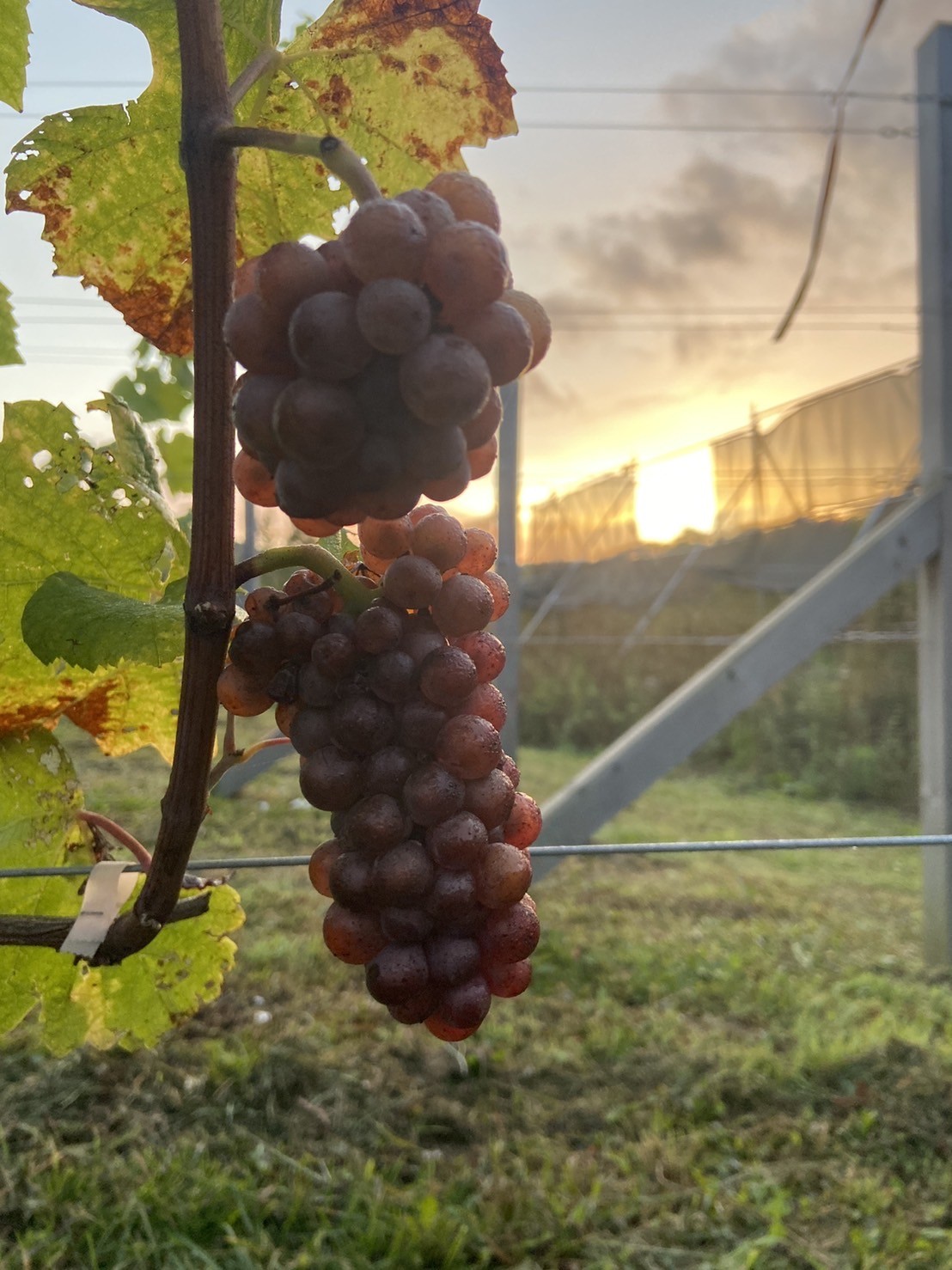
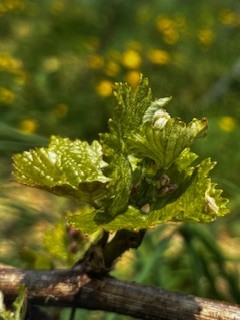
 La Concha vineyard